International Market Compliance: What You Need to Know
International market compliance means meeting the legal and regulatory requirements of each country where you plan to sell. The rules vary widely and cover product safety standards, import documentation, business registration, tax obligations, labeling requirements, and data protection laws. Companies that skip this step face delayed shipments, fines, rejected products, or the inability to operate legally in the target market.
The work starts before you ship anything. You need to know what regulations apply to your specific product category, how to register your business in the new market, what certifications or testing your product requires, and how to handle customs clearance and tax compliance.
Product Standards and Certifications
Most countries require products to meet safety, quality, or performance standards before they can be sold. Electronics sold in the European Union must carry CE marking, which confirms compliance with EU health, safety, and environmental standards. Medical devices, food products, toys, and cosmetics often require pre-market approval or certification from the importing country's regulatory authority.
The testing and certification process can take months and cost thousands of dollars, depending on the product and market. Some countries accept test reports from accredited labs in your home country, while others require testing by labs they approve. Research the specific standards for your product category in each target market early, and budget time and money for compliance testing.
Import Regulations and Customs Requirements
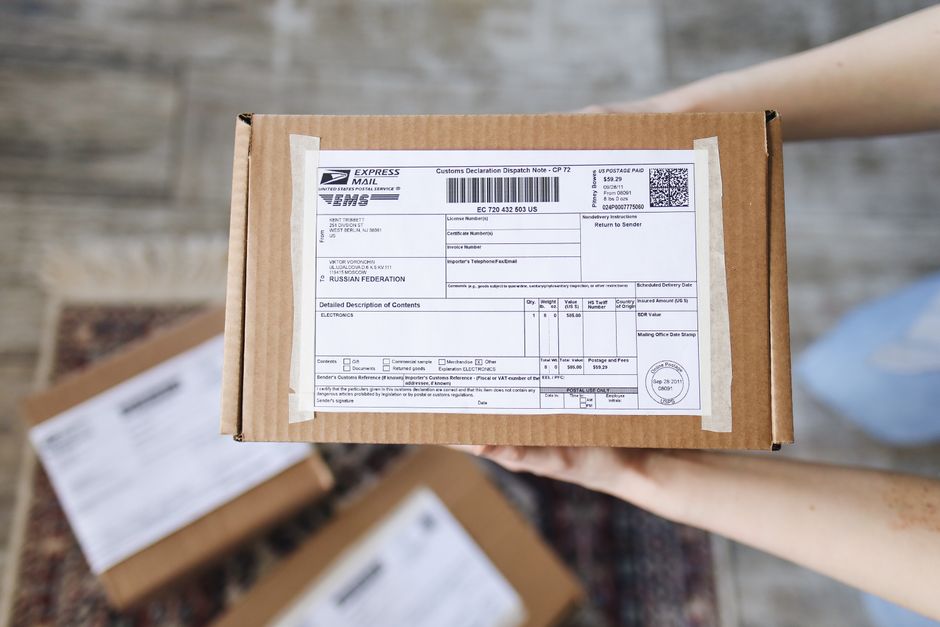
Every country controls what can cross its borders and under what conditions. Import regulations specify which products are allowed, which are restricted or banned, and what documentation is required. Common requirements include a commercial invoice, packing list, certificate of origin, and a bill of lading or airway bill.
Some products require additional permits or licenses. Agricultural goods, pharmaceuticals, chemicals, and telecommunications equipment often face stricter import controls. Tariffs and duties also vary by product classification and country of origin, and incorrect classification can result in overpayment, underpayment penalties, or shipment delays.
Work with a customs broker or freight forwarder who knows the destination country's import rules. They can help classify your products correctly under the Harmonized System (HS) code, prepare the required documentation, and navigate customs clearance.
Business Registration and Tax Compliance
Selling in a new market often requires registering your business with local authorities. The registration type depends on how you plan to operate. If you are selling through a local distributor, the distributor usually handles registration and tax obligations. If you are selling directly to customers or setting up a local office, you will likely need to register as a foreign company, obtain a tax identification number, and comply with local tax filing requirements.
Value-added tax (VAT) or goods and services tax (GST) applies in most countries outside the United States. If your sales exceed a certain threshold, you may need to register for VAT, collect it from customers, and file periodic returns. E-commerce sellers face additional complexity, as many countries now require foreign online retailers to register and remit VAT even without a physical presence.
Consult a local accountant or tax advisor in the target market to understand your obligations. Tax rules change frequently, and penalties for non-compliance can be significant.
Labeling and Packaging Requirements
Labeling laws dictate what information must appear on product packaging and in what language. Common requirements include the product name, ingredients or materials, country of origin, manufacturer or importer contact information, safety warnings, and usage instructions.
Food and beverage products face particularly strict labeling rules. Nutritional information, allergen warnings, expiration dates, and specific claims (such as "organic" or "gluten-free") must meet local standards. Some countries ban certain ingredients or additives that are legal elsewhere.
Packaging itself may also be regulated. The EU restricts certain packaging materials and requires companies to participate in extended producer responsibility schemes for packaging waste. Failing to meet labeling requirements can result in products being held at customs, pulled from shelves, or rejected by retailers.
Data Protection and Privacy Laws
If you collect, store, or process customer data, you must comply with the data protection laws of each market where you operate. The EU's General Data Protection Regulation (GDPR) is the most comprehensive, requiring explicit customer consent, data security measures, and the ability for customers to access or delete their data. Similar laws exist in California (CCPA), Brazil (LGPD), and other jurisdictions.
E-commerce businesses, subscription services, and companies using customer relationship management systems need to review their data handling practices before entering markets with strict privacy laws. Non-compliance can result in fines of up to 4% of global revenue under GDPR.
Intellectual Property Protection
Intellectual property rights are territorial, meaning a trademark or patent registered in your home country does not automatically protect you abroad. If you plan to sell in a new market, register your trademarks, patents, and copyrights in that country before you launch.
Some countries operate on a "first-to-file" basis, meaning the first person to register a trademark owns it, even if someone else used it first elsewhere. Competitors or trademark squatters can register your brand name before you do, forcing you to buy it back or rebrand entirely.
File trademark applications early, monitor for infringement, and enforce your rights when necessary. Local intellectual property attorneys can guide you through the registration process and help you respond to violations.
Employment and Labor Laws
If you hire employees or contractors in a new market, you must follow that country's labor laws. These cover minimum wage, working hours, overtime pay, employee benefits, termination procedures, and workplace safety. Employment contracts that are standard in your home country may be invalid or unenforceable elsewhere.
Misclassifying employees as independent contractors is a common mistake that can result in back taxes, penalties, and legal claims. Some countries presume that workers are employees unless the relationship clearly meets the criteria for independent contracting.
Before hiring anyone, consult a local employment lawyer or use an employer of record service that handles compliance on your behalf.
Industry-Specific Regulations
Certain industries face additional layers of regulation. Financial services, healthcare, telecommunications, and transportation are heavily regulated in most countries and often require licenses or approvals before you can operate.
Food and beverage companies must meet food safety standards, facility inspections, and import permits. Cosmetics and personal care products may require ingredient approvals and adverse event reporting. Software and technology companies must navigate export controls, encryption regulations, and local data residency requirements.
Research the regulatory landscape for your specific industry in each target market, and factor compliance costs and timelines into your market entry plan.
How to Manage Compliance Efficiently
Compliance work is detailed and time-consuming, but it does not have to overwhelm your team. Start by identifying the regulations that apply to your product and business model in each target market. Prioritize the markets where you see the strongest demand and the clearest path to compliance.
Hire local experts. Customs brokers, freight forwarders, tax advisors, and regulatory consultants who specialize in your target market can save you time and prevent costly mistakes. Many companies also work with an outsourced export team like OutsourcedExport to coordinate compliance alongside market research, distributor development, and sales execution.
Build compliance into your product development and launch timeline. Waiting until after production to think about certifications, labeling, or import permits can delay your market entry by months.
Finally, stay current. Regulations change, and what was compliant last year may not be compliant today. Subscribe to updates from trade associations, government agencies, and legal advisors in your target markets, and review your compliance status regularly.
Common Compliance Mistakes to Avoid
Assuming your home country's standards apply abroad is the most frequent error. Every market has its own rules, and compliance in one country does not guarantee compliance in another.
Underestimating the time and cost of compliance is another common problem. Certification, testing, and registration can take months and cost tens of thousands of dollars. Budget for it early.
Relying on a distributor to handle everything without oversight can backfire. While distributors often manage local compliance, you remain responsible for product safety and legal requirements. Verify that your distributor understands the rules and has the resources to meet them.
Ignoring intellectual property protection until after launch leaves your brand vulnerable. Register trademarks and patents before you enter a new market, not after.
Finally, treating compliance as a one-time task instead of an ongoing responsibility creates risk. Regulations change, and your business will need to adapt.
Getting Started with Compliance
Before you enter a new market, create a compliance checklist specific to your product and target country. Include product standards, import requirements, business registration, tax obligations, labeling rules, data protection laws, and intellectual property filings.
Reach out to trade promotion agencies, chambers of commerce, and industry associations in the target market. Many offer free or low-cost guidance on regulatory requirements for foreign companies.
Consult with local experts early. A customs broker can review your product classification and documentation. A tax advisor can explain VAT registration thresholds and filing requirements. A regulatory consultant can guide you through product approvals and certifications.
Compliance is not optional, and it is not something you can fix after the fact. The companies that succeed in new markets treat compliance as a core part of their market entry strategy, not an afterthought.
Frequently asked questions
What happens if my product does not meet the target country's safety standards?
Customs will refuse entry, and the shipment may be returned, destroyed, or held until you provide proof of compliance. You may also face fines or be banned from importing until the issue is resolved.
Do I need to register my business in every country where I sell?
It depends on how you sell. If you sell through a local distributor, they usually handle registration. If you sell directly to customers or set up a local office, you will likely need to register as a foreign company and obtain a tax ID.
How long does product certification take?
Timelines vary by product and market. Electronics certifications like CE marking can take two to six months. Medical device approvals can take a year or more. Start the process early and budget for testing and application fees.
Can I use the same product labels in every country?
No. Labeling requirements vary by country and often require translation, specific warnings, nutritional formats, or additional information. Review the labeling laws for each market and produce compliant labels before shipping.
Should I hire a customs broker?
Yes, especially if you are new to exporting. Customs brokers know the import rules, can classify your products correctly, prepare documentation, and clear shipments through customs, reducing the risk of delays or penalties.