Market Expansion Strategy: Practical Steps for Growth
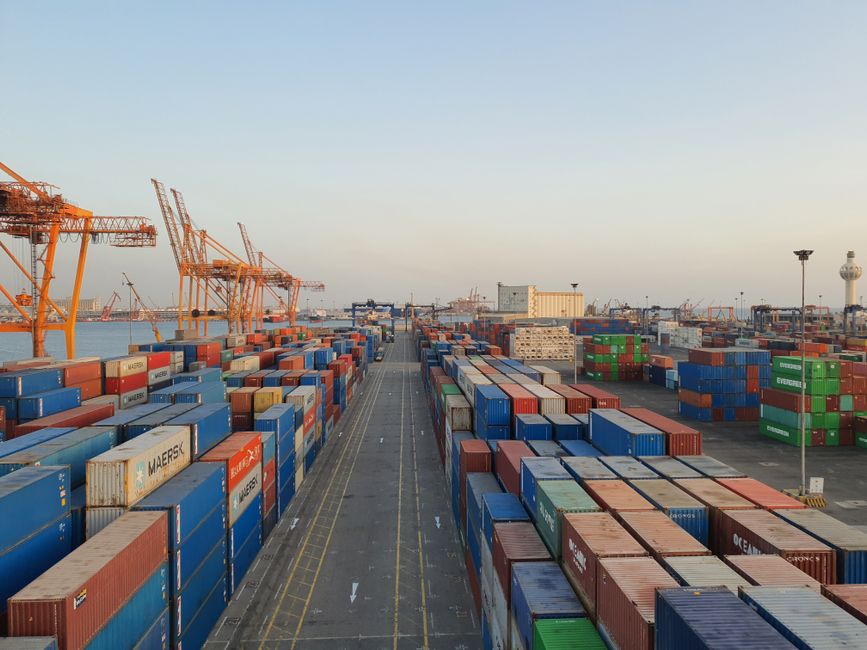
Market expansion means selling your product in a new country or region. The core work involves identifying which markets fit your product, finding buyers or distributors, handling compliance and logistics, and managing the sales process once you enter. Many businesses underestimate the operational demands: researching regulations, vetting partners, coordinating shipments, and maintaining relationships across time zones. A working market expansion strategy addresses all of these, not just the high-level decision of where to go.
Start with the right market, not the biggest market
The best first market is not always the largest economy. Look for countries where your product solves a problem customers already recognize, where you can meet regulatory requirements without prohibitive cost, and where distribution channels match your product type. A $50 million market with clear demand and manageable entry costs will generate revenue faster than a $500 million market with entrenched competitors and complex compliance.
Market research at this stage should answer: Who buys products like yours? What do they pay? Who are the existing competitors? What regulations apply? How do products like yours reach customers (direct, through distributors, via retailers)? These questions produce a shortlist of viable markets, ranked by fit rather than size.
Find buyers and partners who will actually sell your product
Once you choose a market, the next step is finding someone to buy or distribute your product. Cold outreach to distributors produces low response rates. Effective distributor development involves identifying companies already selling complementary products, reaching them through warm introductions or trade connections, and presenting a clear case for why your product fits their portfolio.
Retailer prospecting works the same way. Research which stores carry similar products, understand their buying process, and approach with specifics: product specs, pricing, minimum orders, and lead times. Vague inquiries get ignored. Concrete proposals that show you understand their business get responses.
For businesses new to international sales, this process takes months and requires persistence. OutsourcedExport handles this work as an outsourced export team, managing everything from initial research to signed distribution agreements, so companies can enter new markets without building an in-house international sales department.
Handle compliance and logistics before the first shipment
Every country has import regulations: product certifications, labeling requirements, tariffs, and customs documentation. Compliance failures delay shipments, increase costs, and damage relationships with new partners. Coordinate these requirements early. Identify which certifications your product needs, how long they take to obtain, and what labeling changes are required. Work with a freight forwarder experienced in your target country to understand duties, taxes, and shipping timelines.
Compliance is not a one-time task. Regulations change, and different product categories face different rules. Businesses that treat compliance as an ongoing coordination effort avoid costly surprises.
Build a repeatable process, not a series of one-off deals
Successful market expansion creates a system: a defined process for entering additional markets, a network of vetted logistics partners, and internal knowledge about what works. The first market entry is the hardest because you are building everything from scratch. The second and third markets go faster because you have a template.
Document what you learn: which outreach methods worked, which compliance steps took longest, which contract terms distributors pushed back on, and which marketing materials generated interest. This knowledge turns market expansion from a gamble into a repeatable growth strategy.
Decide whether to build in-house or outsource
Some companies hire international sales staff and build internal export operations. Others outsource the work to a team that already has the relationships, regulatory knowledge, and operational systems in place. The right choice depends on your revenue, how many markets you plan to enter, and whether international sales will become a core part of your business or remain a secondary revenue stream.
Outsourcing works well for companies testing international markets for the first time, businesses that lack the volume to justify full-time hires, and companies that want to enter multiple markets quickly without scaling headcount. An outsourced team brings existing infrastructure: distributor networks, compliance coordinators, and sales processes that have worked in other categories.
In-house teams make sense when international sales become a significant portion of revenue, when you need daily control over sales strategy, or when your product requires deep technical support that an external team cannot provide. Many businesses start with an outsourced model and transition to in-house staff once international revenue justifies the investment.
Measure what matters: revenue, not activity
Market expansion produces a lot of activity: emails sent, meetings held, samples shipped. None of that matters if it does not generate revenue. Track the metrics that indicate real progress: signed distribution agreements, initial purchase orders, repeat orders, and revenue per market.
Set milestones tied to commercial outcomes. A useful first milestone is a signed agreement with a qualified distributor. The second milestone is the first purchase order. The third is a repeat order, which signals the distributor is actually selling your product, not just stocking it. These milestones tell you whether the market entry is working or whether you need to adjust your approach.
Start with one market and prove the model
Businesses often want to enter five markets at once. This spreads resources too thin and makes it impossible to learn what works. Enter one market, get to the first repeat order, then apply what you learned to the next market. The goal is not to be present everywhere. The goal is to generate profitable revenue in markets where your product fits.
Market expansion is operational work: research, outreach, coordination, and follow-through. The businesses that succeed treat it as a process, not a strategy deck. They focus on finding the right partners, meeting regulatory requirements, and delivering on promises. Everything else is secondary.
Frequently asked questions
How long does it take to start generating revenue in a new market?
Expect six to twelve months from initial research to the first purchase order. This includes market research, finding and vetting distributors, negotiating agreements, handling compliance, and shipping the first order. Repeat orders, which indicate the distributor is actually selling your product, typically follow within three to six months after the initial shipment.
What does it cost to enter a new international market?
Costs vary by market and product category. Budget for market research, compliance and certifications, sample shipments, travel or relationship-building, and the cost of the team managing the process (whether in-house or outsourced). For many businesses, the team cost is the largest expense, which is why outsourcing often costs less than hiring full-time staff.
Should I use a distributor or sell directly to retailers?
Distributors make sense when you lack local presence, need someone to handle logistics and customer service, or when retailers in that market expect to buy through distributors. Direct-to-retailer works when you have the infrastructure to manage logistics, invoicing, and support yourself, or when retailers prefer to buy directly from manufacturers.
How do I know if my product is ready for international sales?
Your product is ready if it meets regulatory requirements in the target market, has clear positioning and packaging, and can be shipped reliably at a price that leaves margin for distributors and retailers. If you are unsure, an export readiness assessment identifies gaps before you invest in market entry.
What is the difference between outsourcing export work and hiring a consultant?
A consultant provides advice and a plan. An outsourced export team does the operational work: contacting distributors, managing compliance, coordinating shipments, and handling ongoing sales management. Outsourcing replaces the need to hire in-house staff, while consulting still requires you to execute the plan yourself.